Can Gum Disease Be Treated at Home?
Gum disease is not a condition you should ever ignore. At the first signs of trouble, you should talk to your dentist about how to treat these issues and restore your gums to good health. While the dentist can recommend in-office treatment, there are also things you can do on your own. Along with good prevention methods, make sure you follow some effective techniques for stopping this disease. If you take these matters seriously, you can improve the way you feel and the way your gums and teeth look.
Preventing gum disease
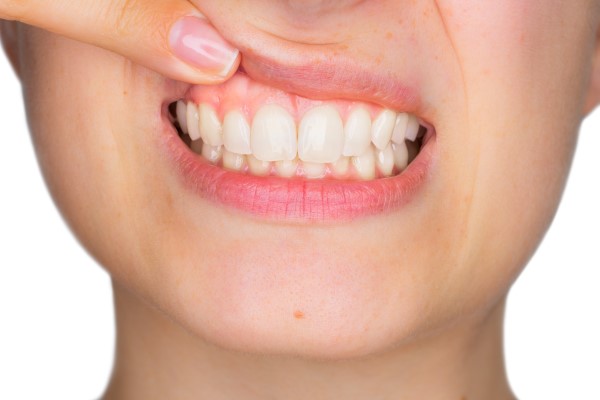
This disease is common among people of all ages. In its beginning stages, known as gingivitis, gums swell and turn red. They may even bleed while the person is eating or brushing. Neglecting these signs can lead to a more serious stage called periodontitis. Teeth can start to pull away from the gums, the gums can recede, and bone loss can occur.
Prevention is possible with good oral hygiene. People should brush at least twice a day with fluoride-based toothpaste. This eliminates bacteria from the teeth and gumline. Flossing will also dislodge food particles and other debris, which would otherwise invite bacteria and the buildup of plaque and tartar.
Seeing a dentist
The general dentist can diagnose a person with gum disease and start a treatment plan. In between regular checkups, patients should also look for signs of this condition. If any of the major symptoms are present, the person should schedule an appointment with the dentist. The dentist can determine the severity of the disease and whether in-office treatments are necessary. Regular follow-up on gum health may occur for patients with significant gum issues.
Brushing
If the gum disease is mild, effective brushing could stop it and reverse its effects. Along with twice-a-day brushing, the individual should use a soft brush and get a new one every three months. The person should spend about two minutes brushing. It is important to brush both sides of every tooth and focus on brushing gums and the gumline. Brushing after meals is particularly vital.
Flossing
Flossing is an activity that many people ignore. Flossing between every tooth once a day will reduce the risk of tooth decay and gum disease. It prevents the formation of plaque and tartar. Flossing should not be vigorous, but the patient should spend enough time on each tooth to do a thorough job. Flossing too much can pose more problems than it can be beneficial.
Use a mouthwash
Rinsing with a mouthwash once or twice a day can help. A rinse can kill the germs that contribute to gum disease. Make sure the product has antiseptics so that it can clean the mouth more effectively. The dentist can also recommend a good mouthwash.
Do your part to stop this disease
You should be the first line of defense against gum disease. Through regular oral hygiene, you can reduce the risk of more serious problems of gum disease, such as tooth loss and bone loss. Call our Irving office to learn more or to schedule your next appointment.
Request an appointment here: https://www.cwdentalgroup.com or call Cottonwood Dental at (972) 536-6535 for an appointment in our Irving office.
Check out what others are saying about our dental services on Yelp: Gum Disease in Irving, TX.
Related Posts
Dental veneers can refresh a smile by covering chips, stains, or uneven edges. After placement, daily habits help dental veneers stay comfortable and look natural. A general dentist can guide home care and follow-up visits so patients know what to do and what to avoid. New dental veneers often feel smooth and slightly different along…
A strong relationship with a family dentist gives households a trusted partner in oral health. With regular visits, clear guidance, and practical tips, families learn how to protect their smiles through each stage of life. For instance, daily brushing and flossing, thoughtful food choices, and consistent professional care work together to reduce the risk of…
Tooth implants have become a popular replacement option for individuals with missing teeth. Also known as dental implants, this replacement option is one that requires a semi-invasive oral surgery. The term oral surgery often sparks fear in individuals due to the potential for pain; however, what is important to know is that tooth implants are…
A denture repair is needed when a set of dentures becomes damaged. Damage can occur from simply dropping the appliance or even eating something too hard that may produce a crack or fracture. However, almost always, a broken denture piece is unexpected, which can make the next step intimidating. Understanding what to do when a…